

- Published
- Updated
-
 10116
10116
Sarcoma - What Does a Primary Bone Cancer Lump Look Like?
Finding a lump or bump on any part of your body can be worrying. Most of them are harmless, but it is always advisable to know when to seek medical advice.
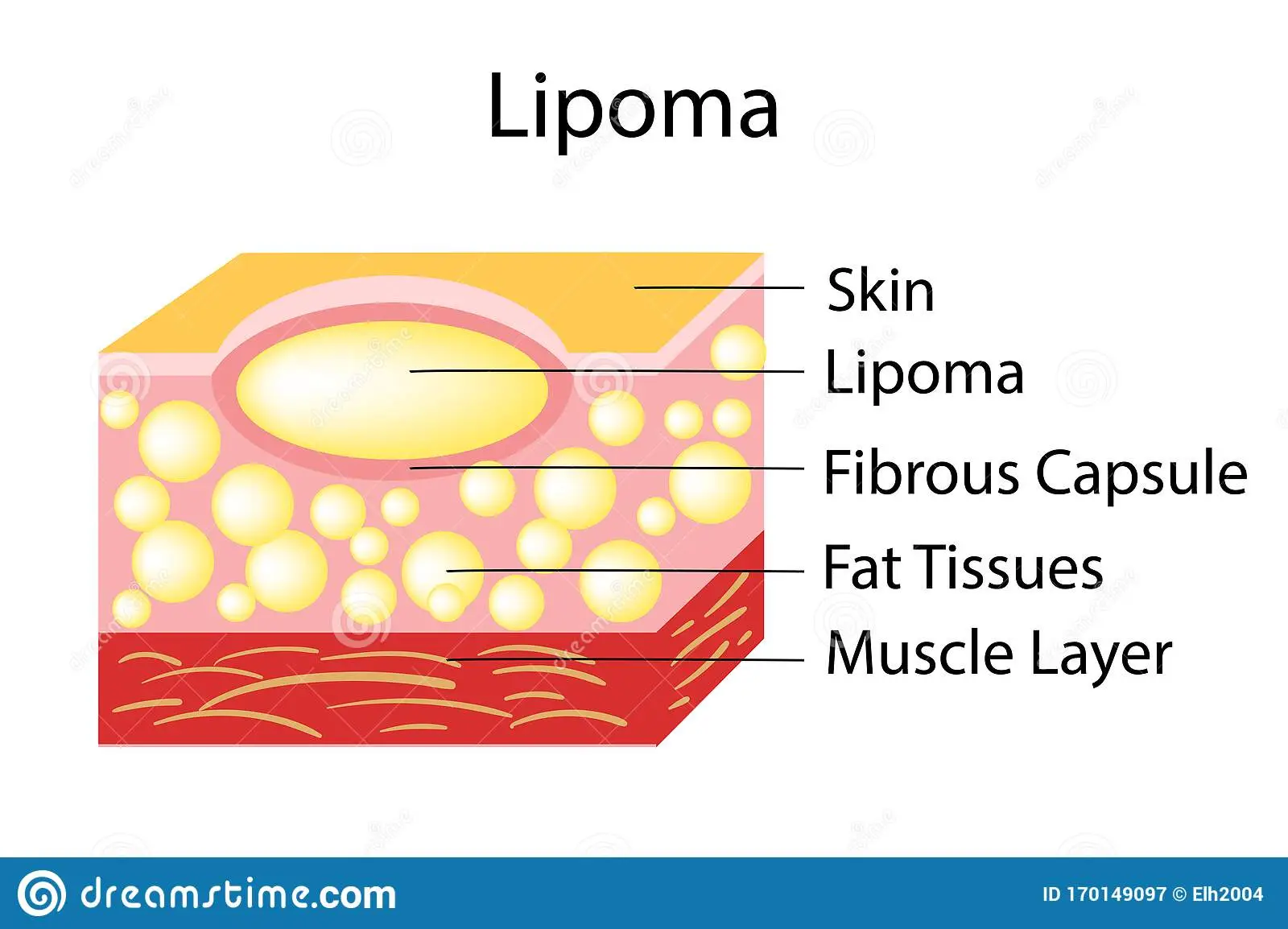
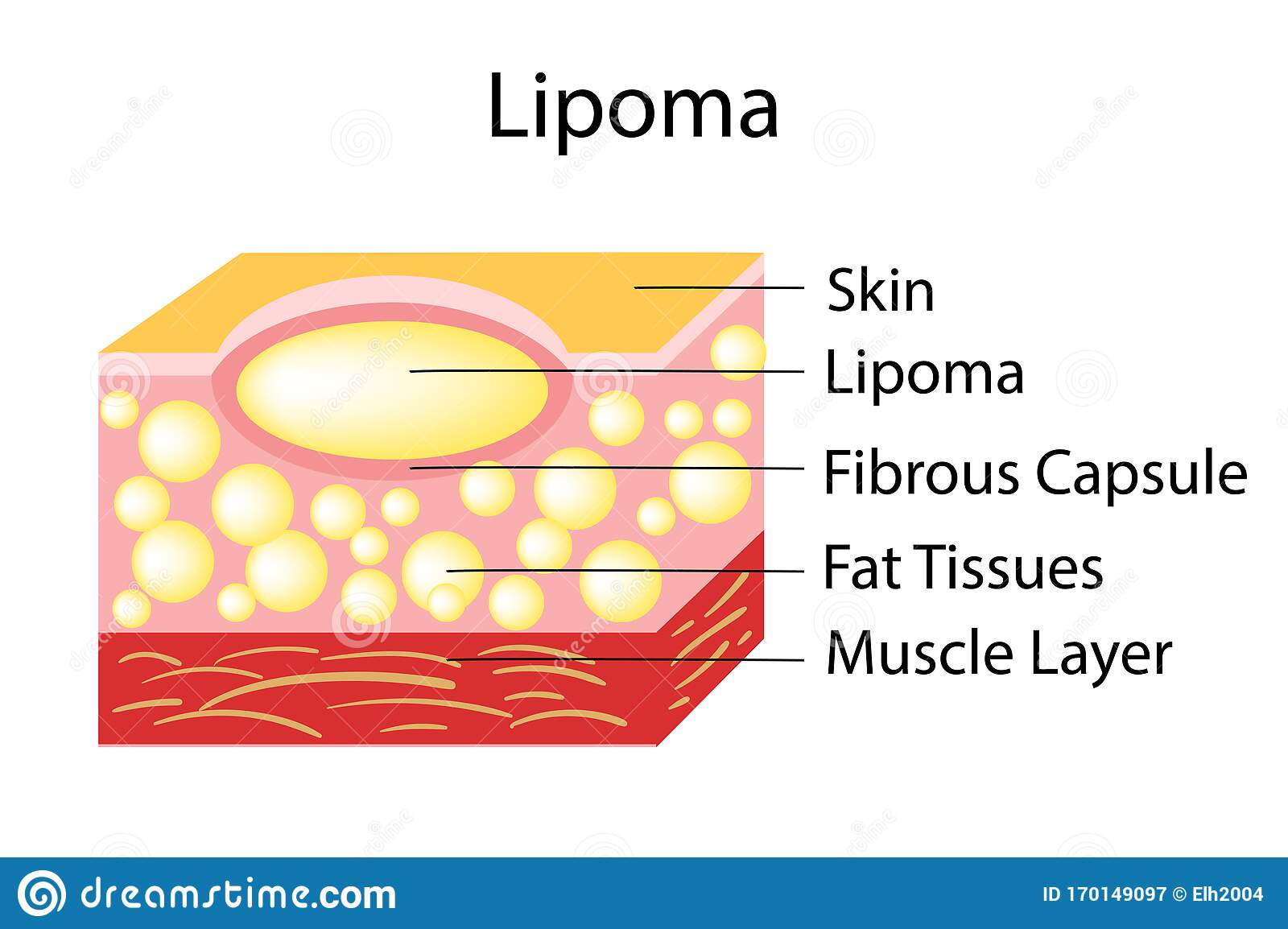
The most common lumps and bumps that appear on soft tissue are lipomas. Made up of fat cells, lipomas rarely change in size, are easily movable, and are not cancerous.
What do these lumps and bumps look like when they are cancerous, especially sarcoma—an aggressive type of cancer that spreads quickly and metastasizes?
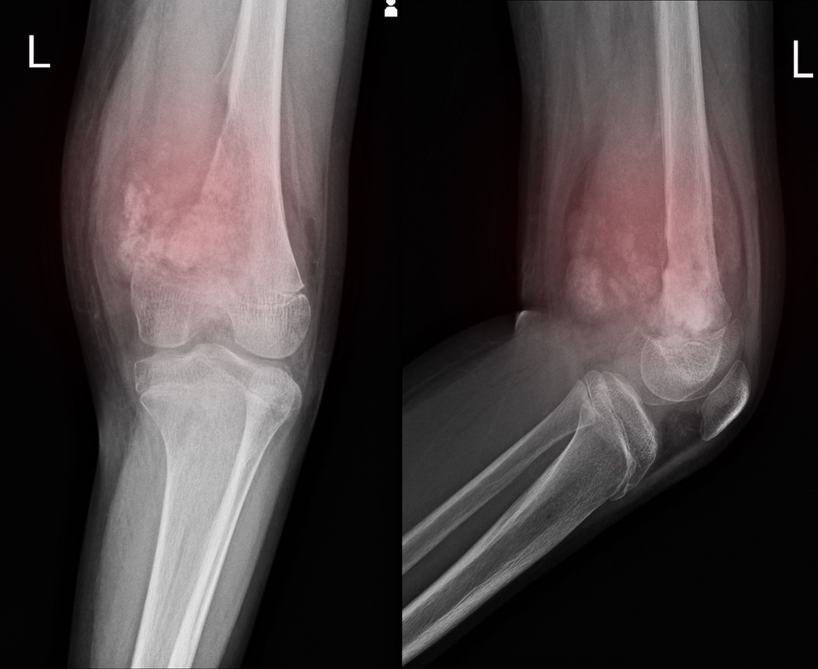
A lump caused by soft tissue sarcoma appears suddenly in the form of a rounded subcutaneous mass. Common locations are the arm, leg, chest, or torso.
The lump may be soft or hard and grows noticeably within weeks or months after its initial discovery.
There are over 100 different types of soft tissue sarcoma, which initially start in the flexible, elastic soft tissues and deep parts of the body such as fat, muscles, nerves, fibrous tissues, and blood vessels.
Although rare, sarcoma can also form in bones. About 1 in every 100,000 people in the United States is diagnosed with sarcoma each year: it is slightly more common in men than in women, and African Americans have the highest rate of soft tissue sarcoma.
The number of sarcoma patients in Bulgaria is unknown, as there are no cancer registries.
"Sarcoma is a very rare type of cancer. Its cause is unknown, but there are some possible hypotheses," explains sarcoma expert John Kane, MD, chair of surgical oncology at Roswell Park Cancer Center.
"A small percentage of diagnoses are due to genetics. Exposure to therapeutic radiation, such as that used in breast cancer treatment, is a serious risk factor, and chemical exposure to herbicides and pesticides has also been linked to the development of sarcoma."
When do lumps and bumps need to be checked out by a doctor?
Usually, lumps and bumps caused by cancer develop outside the body and are large, hard, painless to the touch, and not easily movable.
A lump caused by sarcoma may initially appear harmless. Since it is painless and has no other early symptoms, it can easily be overlooked.
"If you have a sarcoma mass in your thigh, you will notice that it is getting bigger. If it is on the surface of the skin, you will be able to see a specific mass that is growing larger. The skin may begin to change," says Dr. Kane.
"Anything that continues to grow without a reasonable explanation should be examined. If you didn't have a similar lump four months ago and now you have something the size of a golf ball, which is about 5 cm, the likelihood that it is sarcoma becomes serious," he adds.
Unlike external lumps, which can be seen, internal sarcoma does not show symptoms in its early stages.
However, if it forms in the abdomen or lungs, symptoms such as nausea, vomiting, constipation, coughing, shortness of breath, and possibly pain will appear.
These signs appear when the tumor begins to press on nearby organs, nerves, muscles, or blood vessels.
"People may notice that they are not gaining weight, but the abdominal area is becoming hard. They will realize that something is wrong," says Dr. Kane. In addition, he says that regardless of where in the body the sarcoma forms—in the arm, leg, stomach, or spine—it is considered a sarcoma and is different from breast cancer, lung cancer, and other types of cancer.
What is really important is to find an oncologist who understands sarcoma and what this disease is, regardless of where in the body it has formed.
Making the right diagnosis at the right time
Very often, doctors can make a mistake when diagnosing soft tissue sarcoma and misidentify it as a hematoma (bad bruise), abscess (inflamed swelling), pulled muscle, lipoma, or other benign growth.
In general, sarcoma is very difficult to diagnose, and X-rays or standard ultrasound cannot provide a definitive diagnosis.
"The average time from when the patient notices the swelling to the diagnosis of sarcoma is about six months. This is because the disease is rare and doctors don't initially include it in the list of possible diagnoses. Also, during a physical examination, it is not possible to determine whether it is benign or malignant," says Dr. Kane.
He recommends that patients who suspect sarcoma insist on having a CT scan and magnetic resonance imaging (MRI), followed by a radiologically guided needle biopsy accompanied by additional radiological tests to determine the type and size.
Treatment should be determined individually depending on the type of sarcoma, its location, and the possibility of metastasis.
"Sarcoma most often metastasizes to the lungs. When a patient is newly diagnosed with sarcoma, they should be immediately checked for lung metastases," says Dr. Kane.
In addition, he says that because sarcoma is different, standard treatment methods such as chemotherapy, radiation therapy, and surgery for breast cancer, colon cancer, and other types of cancer must be modified.
He recommends that assessment and care be performed at a specialized sarcoma center, where a multidisciplinary team consisting of a surgical oncologist and a radiation oncologist who specialize in the diagnosis and treatment of sarcoma tumors is available.
"These centers are lifesaving. They offer participation in clinical trials focused on certain rare types of sarcoma, options for intraoperative radiation and regional therapy, as well as chemotherapeutic drugs that allow treatment to be targeted precisely where it is needed to avoid amputation," says Dr. Kane. "At these centers, specialists decide on the best sequence of treatments to give the patient the best chance of overcoming the disease."
