

- Published
- Updated
-
 7706
7706
Gallstones (Cholelithiasis) - Symptoms, Treatment, and Prevention
If you have them, you may hear your doctor say that you have cholelithiasis.
What are gallstones?
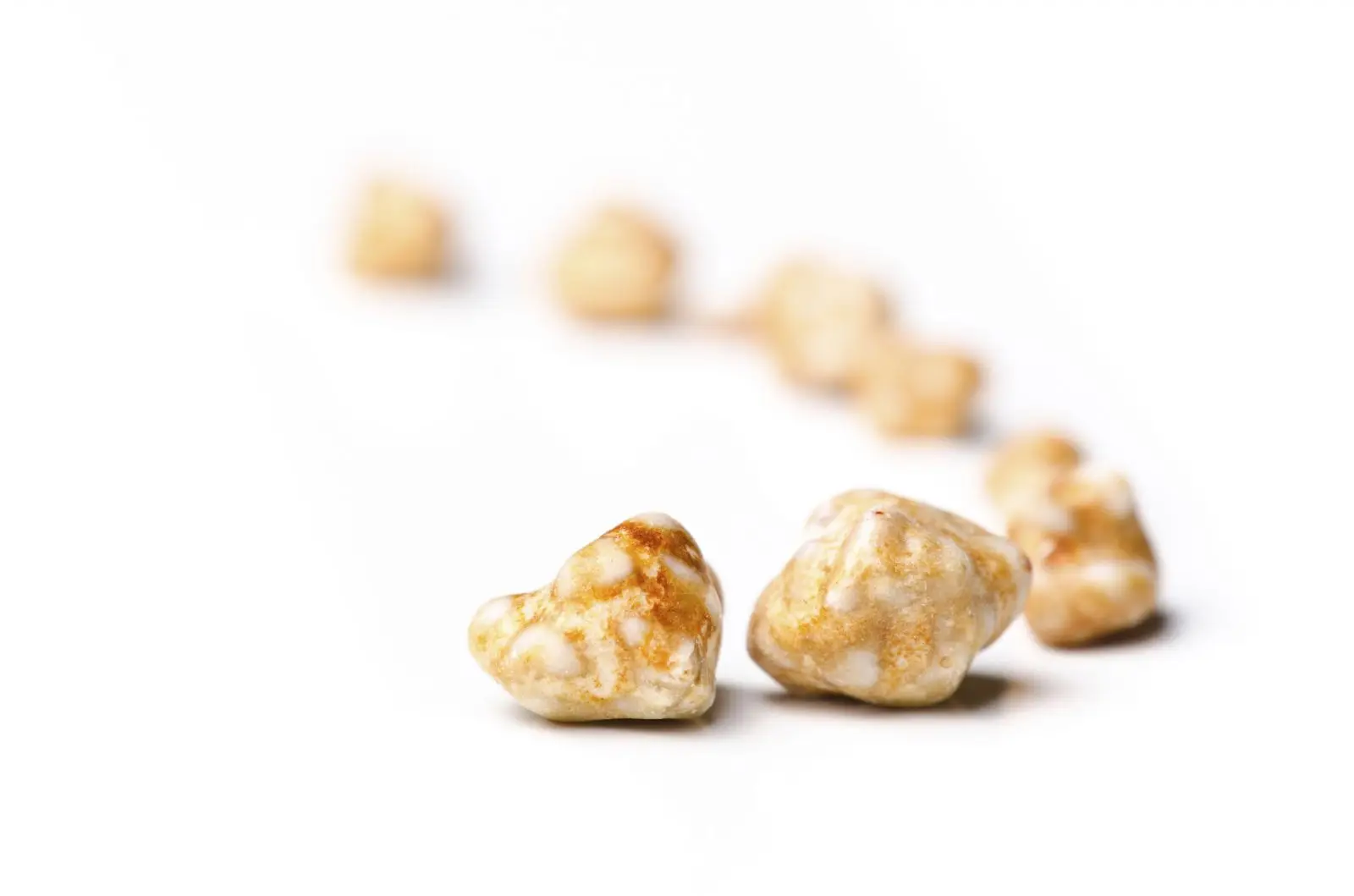
Gallstones are pieces of hard material that form in your gallbladder, a small organ under your liver.
Your gallbladder stores and releases bile, a fluid produced in the liver to aid in digestion.
Bile also carries waste products such as cholesterol and bilirubin, which your body produces when it breaks down red blood cells. These substances can form gallstones.
Gallstones can range in size from a grain of sand to a golf ball. You may not know you have them until they block the bile duct, causing pain that requires immediate treatment.
Types of Gallstones
The two main types of gallstones are:
- Cholesterol stones. These are usually yellow-green. They are the most common, accounting for 80% of gallstones.
- Pigment stones. These are smaller and darker. They are made of bilirubin.
Symptoms of gallstones
Gallstones usually do not cause symptoms. Symptoms only occur when a gallstone gets stuck and blocks the flow of bile through your system.
If you have symptoms, they may include:
- Pain in the upper abdomen, often on the right side, just below the ribs
- Pain in the right shoulder or back
- Upset stomach
- Vomiting
- Other digestive problems, including indigestion, heartburn, and gas
See your doctor or go to the hospital if you have signs of a serious infection or inflammation
Causes of gallstones
Doctors are not sure what exactly causes gallstones, but they can occur when:
- There is too much cholesterol in your bile. Your body needs bile to digest food. It usually dissolves cholesterol. But when it can't do this, the extra cholesterol can form stones.
- There is too much bilirubin in your bile. Conditions such as cirrhosis, infections, and blood disorders can cause the liver to produce too much bilirubin.
- Your gallbladder does not empty completely. This can make your bile very concentrated.
Risk factors for gallstones
You are more likely to get gallstones if:
- You have a family history of them
- You are a woman
- You are over 40
- You are of Native American or Mexican descent
- You are obese
- You eat a diet high in fat and cholesterol but low in fiber
- You do not exercise much
- You use birth control pills or hormone replacement therapy
- You are pregnant
- You have diabetes
- You have an intestinal disease such as Crohn's disease
- You have hemolytic anemia or liver cirrhosis
- You are taking cholesterol-lowering medication
- You lose a lot of weight in a short period of time
Diagnosis of gallstones
Your doctor will perform a physical examination and may order tests, including:
- Blood tests. These check for signs of infection or blockage and rule out other conditions.
- Ultrasound. This makes pictures of the inside of your body.
- Computed tomography. Specialized X-rays allow your doctor to see inside your body, including your gallbladder.
- Magnetic resonance cholangiopancreatography. This test uses a magnetic field and radio wave pulses to make pictures of the inside of your body, including your liver and gallbladder.
- Cholescintigraphy (HIDA scan). This test can check whether your gallbladder is squeezing properly. Your doctor injects a harmless radioactive material that makes its way to the organ. Its movement can then be observed. This can help diagnose cholecystitis (inflammation of the gallbladder) from gallstones.
- Endoscopic retrograde cholangiopancreatography. Your doctor will pass a tube called an endoscope through your mouth and down into your small intestine. They inject dye so they can see your bile ducts on the camera in the endoscope. They can often remove any gallstones that have moved into the ducts, but this is only done if treatment is planned as part of the procedure, as it is invasive.
- Endoscopic ultrasound. This test combines ultrasound and endoscopy to look for gallstones that may be in places that are difficult to see with other imaging, such as in the common bile duct as it passes through the pancreas.
Can gallstones disappear on their own?
If your gallstones are not causing symptoms, you usually do not need to have surgery. You will only need it if a stone enters or blocks one of your bile ducts. This causes what doctors call a "gallbladder attack." It is a severe, knife-like pain in the abdomen that can last for several hours.
If you have sickle cell disease or another blood disorder, your doctor may consider performing a cholecystectomy as a preventive measure, even if you have no symptoms.
Treatment of gallstones
You do not need treatment if you have no symptoms. Some small gallstones may pass through your body on their own.
Surgical treatment may be necessary:
- Laparoscopic cholecystectomy. This is the most common surgery for gallstones. The surgeon works through small incisions. They pass a narrow tube called a laparoscope into your abdomen through a small incision. The tube contains a small light and camera. The doctor will remove your gallbladder through another small incision using special instruments. You will usually go home the same day.
- Open cholecystectomy. Your doctor makes larger incisions in your abdomen to remove your gallbladder. You will stay in the hospital for a few days afterward.
For both types of surgery, you will receive general anesthesia. This means that you will not be awake during the procedure.
If the gallstones are in your bile ducts, your doctor may use ERCP to find and remove them before or during surgery.
Non-surgical Treatment
If you have another medical condition and your doctor thinks you should not have surgery, they may give you medication instead.
You may need to take the medication for years to completely dissolve the stones, and they may reappear after you stop taking it.
Complications of Gallstones
Gallstones can cause serious problems, including:
- Inflammation of the gallbladder (acute cholecystitis). This happens when a stone blocks your gallbladder so that it cannot empty. It causes constant pain and a high fever. Your gallbladder may burst or rupture if you do not get treatment right away.
- Blocked bile ducts. This can cause a high fever, chills, and yellowing of the skin and eyes (jaundice). If a stone blocks the duct to the pancreas, this organ can become inflamed (pancreatitis).
- Infected bile ducts (acute cholangitis). A blocked duct is more likely to become infected. If bacteria spread into your bloodstream, they can cause a dangerous condition called sepsis.
- Gallbladder cancer. It is rare, but gallstones increase the risk of this type of cancer.
Preventing Gallstones
Certain lifestyle changes can reduce your risk of gallstones.
- Eat a healthy diet high in fiber and good fats, such as fish oil and olive oil. Avoid refined carbohydrates, sugar, and unhealthy fats.
- Exercise regularly. Aim for at least 30 minutes, 5 days a week.
- Although obesity is a risk factor, avoid diets that cause you to lose weight very quickly.
- If you are a woman at high risk for gallstones (e.g., due to family history or other health conditions), talk to your doctor about whether you should avoid using hormonal birth control.
