

- Published
- Updated
-
 18796
18796
Colon Cancer - Symptoms, Stages, Treatment and Prevention
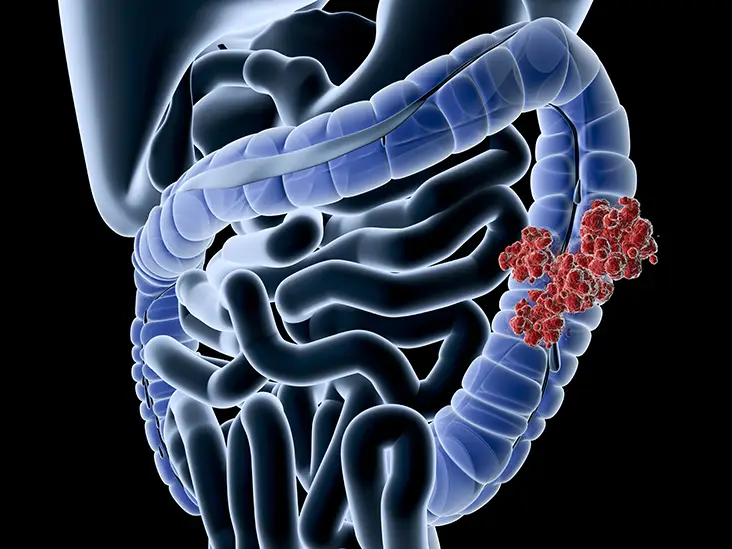
Colon cancer develops when tumorous growths form in the colon. It is now the third most common type of cancer in the United States.
The colon is where the body extracts water and salt from solid waste. The waste then passes through the rectum and exits the body through the anus. Rectal cancer originates in the rectum, the last few inches of the colon closest to the anus.
Colorectal cancer, which describes both colon cancer and rectal cancer, is common.
According to the American Cancer Society (ACS), colorectal cancer is the third most commonly diagnosed cancer in the United States, excluding skin cancers.
Health professionals recommend regular screening for colorectal cancer in adults aged 45–75.
In this article, we will look at how to recognize and treat colon cancer, why it develops, and how to prevent it.
Symptoms and Signs of Colon Cancer
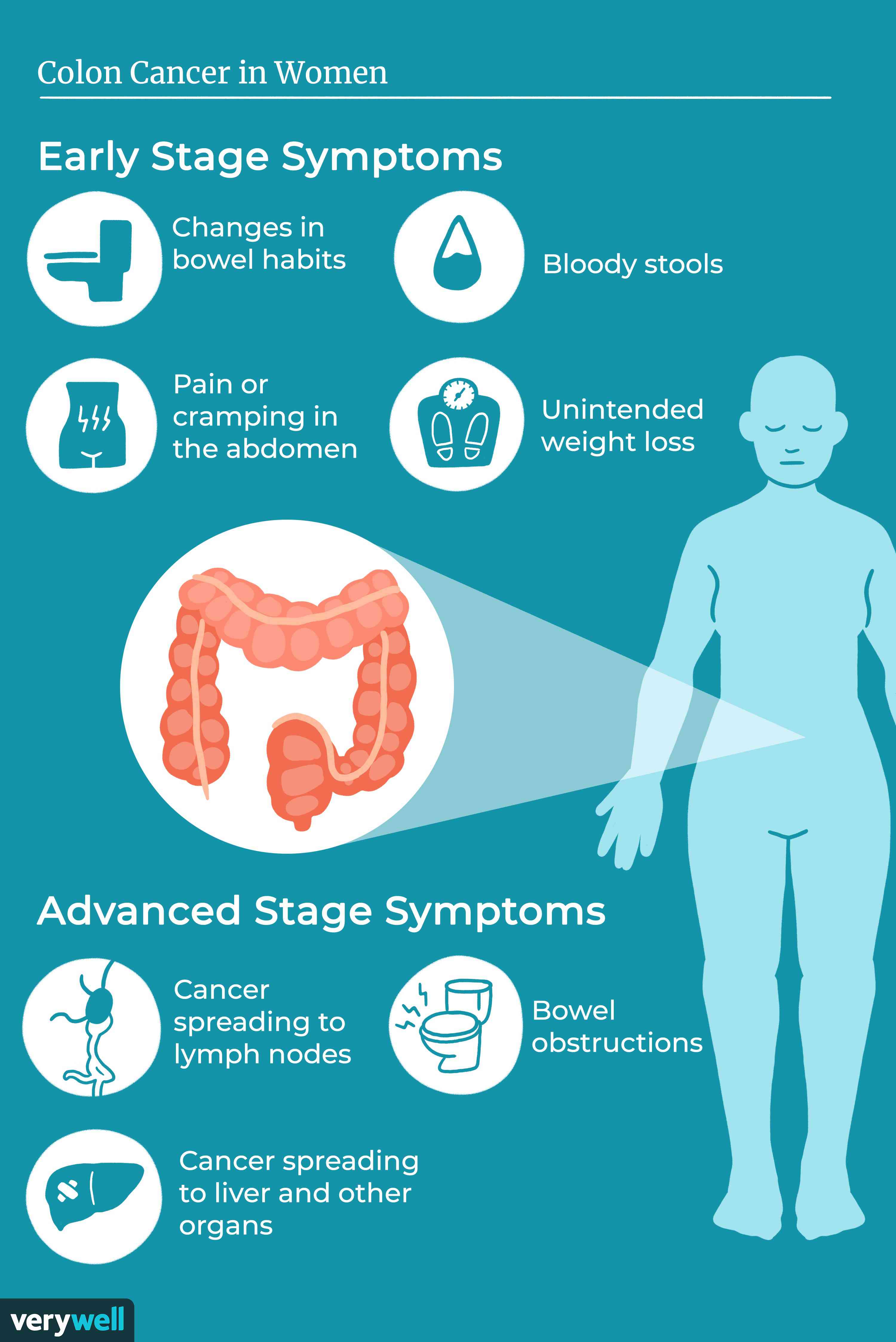
Symptoms and signs may include one or more of the following:
- diarrhea or constipation
- changes in stool consistency, such as loose, narrow stools
- blood in the stool, which may make the stool appear dark brown or black
- bright red bleeding from the rectum
- abdominal pain, cramps, bloating, or gas
- Constant urge to defecate despite having a bowel movement
- weakness and fatigue
- unexplained weight loss
- irritable bowel syndrome
- iron deficiency anemia
Weight loss and abdominal pain usually occur in the later stages of the disease.
If the cancer spreads to a new location in the body, such as the liver, it can cause additional symptoms, such as jaundice.
Early Symptoms
Colon cancer often does not cause symptoms in its earliest stages, but symptoms may become more noticeable as the disease progresses. If people do have symptoms in the early stages, they may include:
- blood in the stool
- a change in the frequency or type of bowel movements, such as diarrhea, constipation, or narrow, ribbon-like stools
- feeling of incomplete bowel emptying after a bowel movement
- abdominal pain, cramps, or bloating
- nausea and vomiting
- anemia due to intestinal bleeding
- loss of appetite
- fatigue and weakness
- unexplained weight loss
Symptoms in Men
According to Brigham and Women's Hospital, the symptoms of colon cancer are usually the same in men and women. Men may notice the symptoms listed above.
Symptoms in women
Women may experience the same symptoms as listed above. In addition, if people who menstruate have anemia from colon cancer, they may have irregular menstrual cycles.
Stages
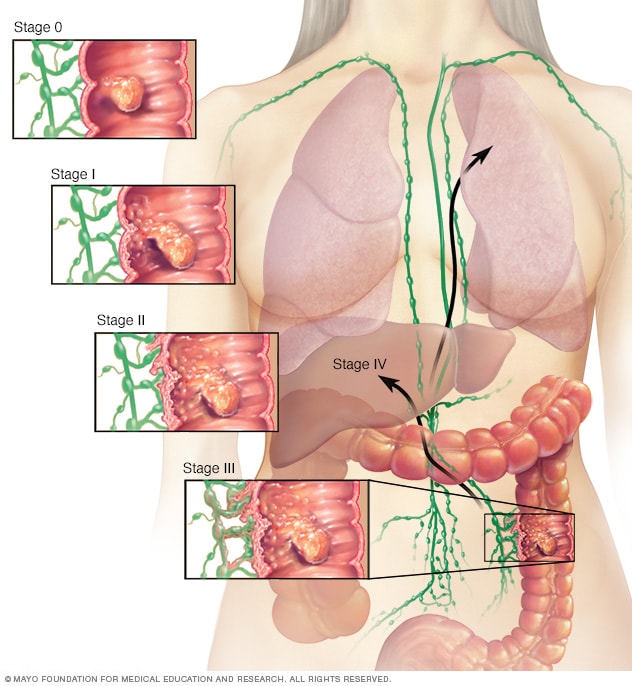
There are different ways to determine the stage of cancer. The stages show how far the cancer has spread and the size of all tumors.
In colon cancer, the stages develop as follows:
- Stage 0: Also known as carcinoma in situ, at this point the cancer is in a very early stage. It has not grown beyond the inner layer of the colon and is usually easily treated.
- Stage 1: The cancer has grown into the next layer of tissue.
- Stage 2: The cancer has reached the outer layers of the colon but has not spread beyond the colon.
- Stage 3: The cancer has grown through the outer layers of the colon and has reached one to three lymph nodes. It has not spread to distant sites.
- Stage 4: The cancer has reached other tissues beyond the wall of the colon. As stage 4 progresses, colon cancer reaches distant parts of the body.
Causes
Cells normally follow an orderly process of growth, division, and death. Cancer can develop when cells grow and divide uncontrollably and do not die at the normal point in their life cycle.
According to the ACS, researchers are not sure of the exact cause of colon cancer, but certain factors may increase the risk.
Cancer occurs as a result of changes in the DNA in cells. Certain genes, called oncogenes, help cells stay alive, grow, and divide. Tumor suppressor genes help regulate cell division and cell death.
Changes in DNA can affect oncogenes and tumor suppressor genes, leading to multiple genetic changes that can result in colon cancer.
Polyps are growths that form on the inside of the colon. Polyps are not cancerous, but cancer can start with some types of polyps.
If a person has a type of non-cancerous polyp called an adenomatous polyp, they have an increased risk of developing colon cancer. These polyps form on the inner walls of the colon.
Cancer cells can spread from malignant tumors to other parts of the body through the blood and lymphatic system.
These cancer cells can grow and invade healthy tissue nearby and throughout the body in a process called metastasis. The result is a more serious, less treatable condition.
Risk Factors
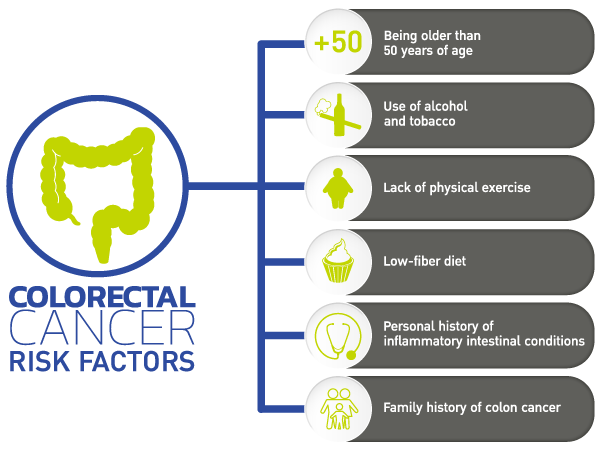
The exact causes of colon cancer are unknown, but there are several potential risk factors.
Polyps
Colon cancer can develop from precancerous polyps that grow in the colon. Some of these polyps can develop into malignant colon cancer if a surgeon does not remove them during the early stages of treatment. Types of polyps include:
Adenomas
Adenomas may resemble the lining of a healthy colon, but they look different under a microscope. They can become cancerous.
Hyperplastic polyps
Colon cancer rarely develops from hyperplastic polyps, as they are usually benign.
Genes
Uncontrolled cell growth can occur after genetic damage or changes in DNA.
Most genetic mutations occur during a person's lifetime, rather than being inherited from a family member.
About 5-10% of colon cancers are the result of specific hereditary conditions that increase the risk of polyps, colon cancer, and potentially other types of cancer in some family members.
Several inherited conditions also increase the risk of colorectal cancer, including:
- attenuated familial adenomatous polyposis
- familial adenomatous polyposis (FAP)
- Gardner's syndrome, which is a different type of FAP
- Lynch syndrome or hereditary nonpolyposis colorectal cancer
- juvenile polyposis syndrome
- Muir-Torre syndrome, which is a variant of Lynch syndrome
- MUTYH-associated polyposis
- Peutz-Jeghers syndrome
- Turcot syndrome, another variant of FAP
Traits, Habits, and Diet
Age is a significant risk factor for colon cancer. About 90% of people diagnosed with colorectal cancer are over the age of 50.
Colon cancer is more likely to affect people who are inactive, obese, or who use tobacco.
Since the colon is part of the digestive system, diet and nutrition play a central role in its development.
Diets low in fiber may contribute. In addition, according to a 2019 review, people who consume excessive amounts of the following are at increased risk:
- saturated fats
- red meat
- alcohol
- processed meat
Underlying conditions
Certain conditions and treatments are associated with an increased risk of colorectal cancer. These include:
- a medical history of polyps
- inflammatory bowel diseases, such as ulcerative colitis or Crohn's disease
- other types of cancer, such as breast, ovarian, or endometrial cancer
- obesity or being overweight
Other risk factors
Other risk factors for colon cancer include:
- having a parent, sibling, or child with a history of colon or rectal cancer
- a personal history of colon, rectal, or ovarian cancer
- a personal history of polyps that are 1 centimeter or larger or have abnormal cells
- inherited genetic disorders, such as Lynch syndrome
- chronic ulcerative colitis or Crohn's disease for 8 years or more
- regular alcohol consumption three or more times a day
- cigarette smoking
- advanced age
- lack of physical activity
- diets low in fiber and fat, without fruits and vegetables
- race and ethnicity, as African Americans, Asians, and people of Latin American descent may be diagnosed with colon cancer at a later stage of the disease
Treatment options
Treatment will depend on the type and stage of colon cancer. The doctor will also consider the person's age, overall health, and certain other characteristics when deciding on the best treatment option.
There is no single treatment for colorectal cancer, and options may include surgery, chemotherapy, and radiation therapy.
The goal of treatment will be to remove the cancer, prevent its spread, and reduce unpleasant symptoms.
Surgery
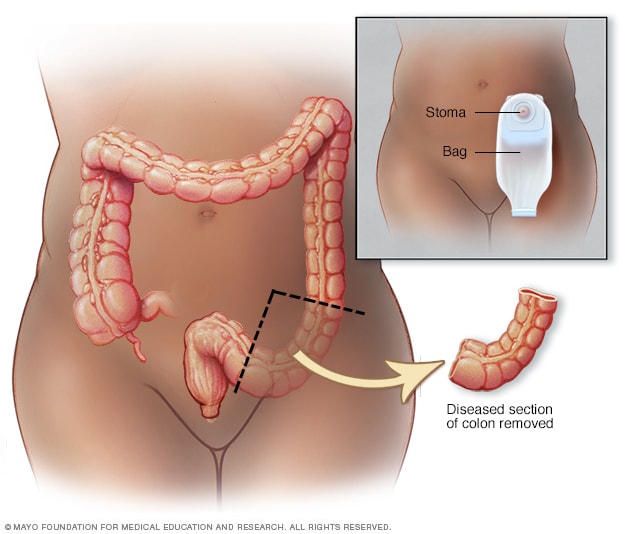
The main treatment for early-stage colon cancer is usually surgery. If the cancer is only present in a polyp, people may only need a polypectomy to remove the cancerous polyp.
Surgery to remove part or all of the colon is called a colectomy. During this procedure, the surgeon will remove the part of the colon that contains the cancer, as well as some of the surrounding area.
The surgeon may remove nearby lymph nodes to reduce the risk of spread. The surgeon will then either reattach the healthy part of the colon or create a stoma, depending on the extent of the colectomy.
A stoma is a surgical opening in the abdominal wall. Waste passes through this opening into a bag, eliminating the need for the lower part of the colon. This is called a colostomy.
Other types of surgery include:
- Endoscopy: The surgeon may be able to remove some small, localized cancerous growths using this procedure. They will insert a thin, flexible tube with a light and camera attached. There will also be an attachment for removing cancerous tissue.
- Laparoscopic surgery: The surgeon will make several small incisions in the abdomen. This may be an option for removing larger polyps.
- Palliative surgery: The goal of this type of surgery is to relieve symptoms in cases of incurable or advanced cancer. The surgeon will try to relieve any blockages in the colon and manage pain, bleeding, and other symptoms.
Chemotherapy
During chemotherapy, a cancer treatment team will administer drugs that interfere with the cell division process. They do this by destroying proteins or DNA to damage and kill cancer cells.
These treatments target all rapidly dividing cells, including healthy ones. They can usually recover from any damage caused by chemotherapy, but cancer cells cannot. The drugs travel throughout the body, and treatment will be given in cycles so that the body has time to heal between doses.
A cancer specialist or oncologist may recommend chemotherapy to treat colon cancer:
- before surgery to shrink the tumor to make it easier to remove
- after surgery to destroy any remaining cancer cells
- if the cancer has spread to other organs
Side effects of chemotherapy may include:
- hair loss
- nausea
- fatigue
- vomiting
Combination therapies often use multiple types of chemotherapy or combine chemotherapy with other treatments.
Radiation therapy
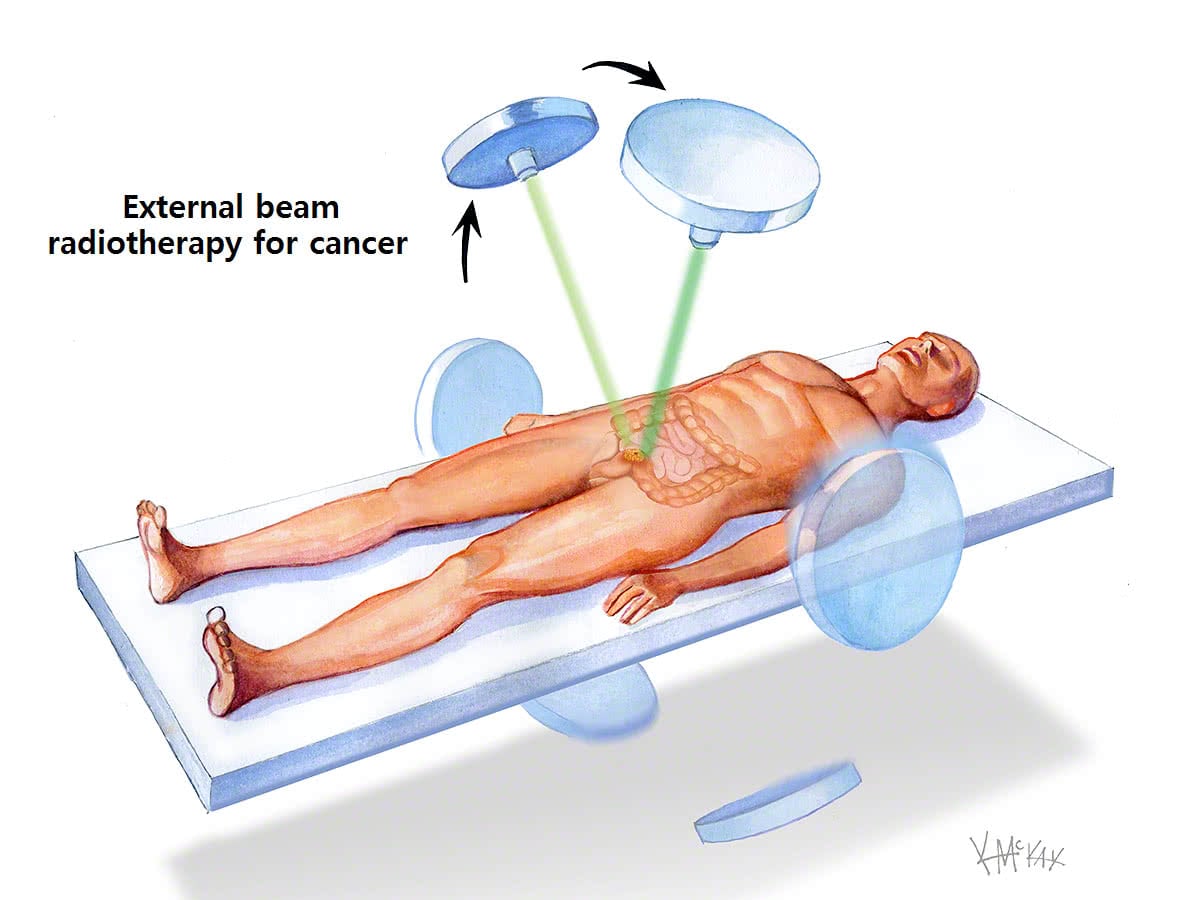
Radiation therapy kills cancer cells by focusing high-energy gamma rays on them. A cancer treatment team may use external beam radiation therapy, which emits these rays from a machine outside the body.
In internal radiation, the doctor will implant radioactive materials near the cancer site in the form of seeds.
Some metals, such as radium, emit gamma rays. Radiation can also come from high-energy X-rays. Your doctor may recommend radiation therapy as a standalone treatment to shrink a tumor or destroy cancer cells. It can also be effective in combination with other cancer treatments.
Side effects of radiation therapy may include:
- mild skin changes that resemble sunburn or tanning
- nausea
- vomiting
- diarrhea
- fatigue
- loss of appetite
- weight loss
Most side effects will subside or disappear a few weeks after the end of treatment.
Diagnosis
The doctor will perform a complete physical examination and ask about personal and family medical history.
They may also use the following diagnostic techniques to identify and diagnose cancer:
Colonoscopy
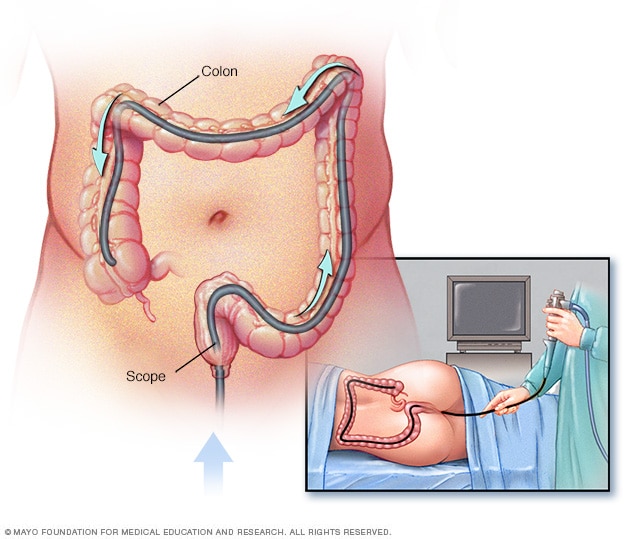
During a colonoscopy, the doctor will insert a long, flexible tube with a camera at one end into the rectum to inspect the inside of the colon.
A person may need to follow a special diet before the procedure, such as a clear liquid diet 1–3 days in advance. The colon will also need to be cleansed with strong laxatives in a process known as bowel preparation.
If the doctor finds polyps in the colon, the surgeon will remove them and send them for biopsy. In a biopsy, a pathologist examines the polyps under a microscope to look for cancerous or precancerous cells.
A similar procedure, called flexible sigmoidoscopy, allows the doctor to examine a smaller portion of the colorectal area. This method does not reach as far as a colonoscopy. A full colonoscopy may also not be necessary if the sigmoidoscopy does not reveal any polyps or if they are only in a small area.
Double contrast barium enema
This X-ray procedure uses a liquid called barium to provide clearer images of the colon than a standard X-ray. A person may need to avoid eating or drinking before undergoing a barium X-ray.
The doctor will inject a liquid solution containing barium into the colon through the rectum. They follow this with a short pump of air to smooth out the barium layer to ensure the most accurate results.
An X-ray technician will then take an X-ray of the colon and rectum. The barium will appear white on the X-ray, and any tumors or polyps will appear as dark outlines.
If a biopsy suggests the presence of colon cancer, the doctor may order a chest X-ray, ultrasound, or CT scan of the lungs, liver, and abdomen to assess the spread of the cancer.
After diagnosis, the doctor will determine the stage of the cancer based on the size and grade of the tumor and its spread to nearby lymph nodes and distant organs.
The stage of a person's cancer will determine their treatment options and inform their prognosis.
Prevention
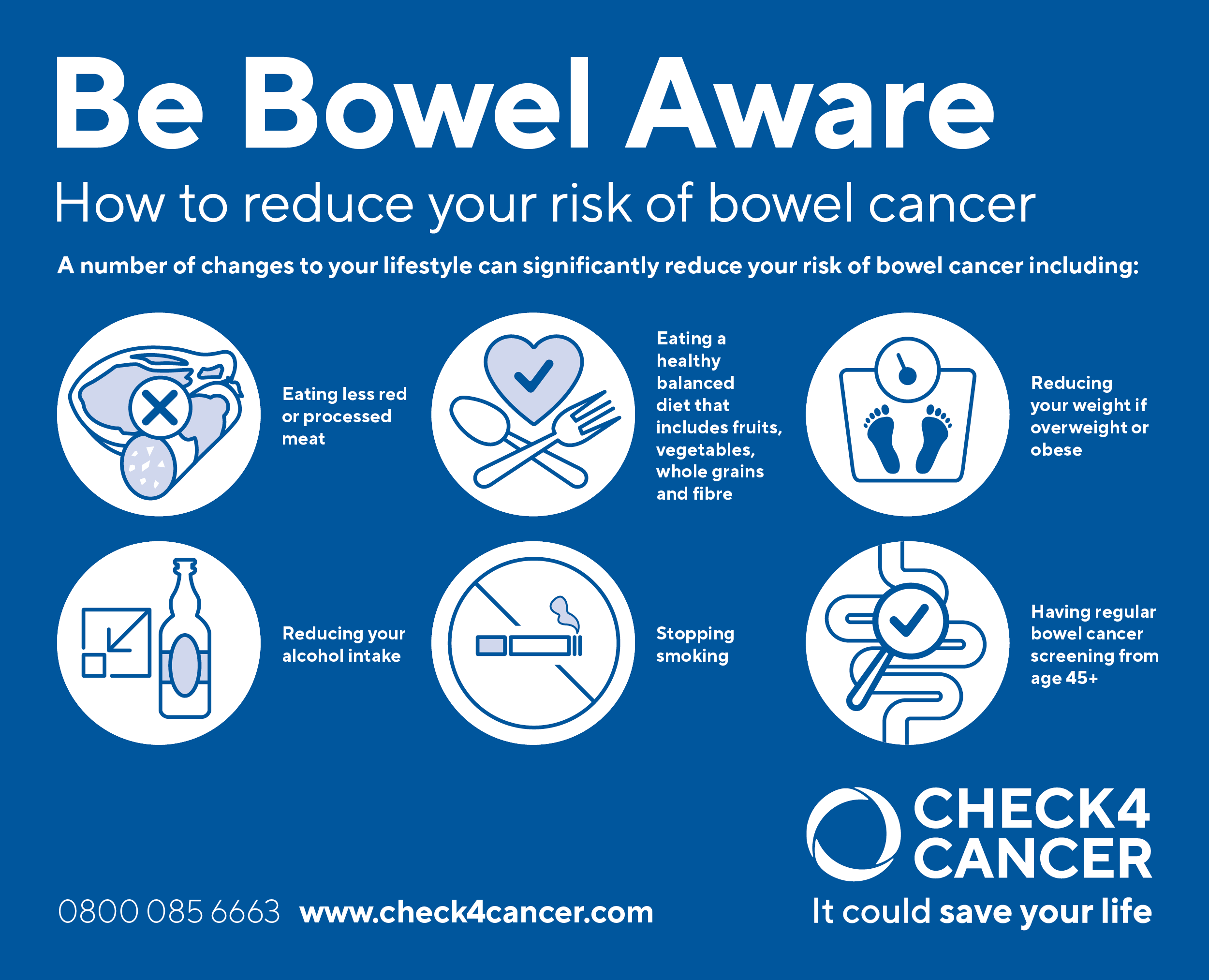
There is no guaranteed way to prevent colon cancer. However, some preventive measures may include:
- maintaining a healthy weight
- exercising regularly
- eating plenty of fruits, vegetables, and whole grains
- limiting intake of saturated fats and red meat
People should also consider limiting alcohol consumption and quitting smoking.
Prognosis
Symptoms may not appear until the cancer has progressed. For this reason, the American College of Physicians recommends screening for people aged 50-75, including a fecal test once every 2 years, a colonoscopy every 10 years, or a sigmoidoscopy every 10 years plus a fecal test every 2 years.
The frequency of screening depends on individual risk levels. People can consult their doctor for personal recommendations.
Survival
The ACS calculates a person's probable chance of survival using 5-year survival rates based on the stage of colon cancer:
- localized: 91%
- regional: 72%
- distant: 14%
- all stages combined: 63%
However, these survival rates are from 2010-2016, and treatment and research are constantly advancing. Early detection and treatment are the most effective ways to improve the outlook for a person with colorectal cancer.
The survival rate refers to the proportion of people who are still alive for a certain period of time after receiving a specific diagnosis. For example, a 5-year survival rate of 50% means that 50% of people, or half, are still alive 5 years after receiving the diagnosis.
It is important to remember that these figures are approximate and are based on the results of previous studies or treatments. A person can consult a healthcare professional about how their condition will affect them.
Summary
Colon cancer is a type of colorectal cancer. This means that there is a cancerous growth in the colon.
The signs of colon cancer may not be obvious in its early stages. However, they may include pain, rectal bleeding, or blood in the stool.
There are many treatment options for colorectal cancer. These include chemotherapy, radiation therapy, and surgery.
