

- Published
- Updated
-
 8040
8040
Acute Kidney Failure - Symptoms, Complications, and Prevention
Acute renal failure occurs when the kidneys suddenly become unable to filter waste products from the blood.
When your kidneys lose their filtering ability, dangerous levels of waste can build up and the chemical balance of your blood can become unbalanced.
Acute renal failure is also called acute kidney injury and develops rapidly, usually in less than a few days.
Acute renal failure is most common in people who are already hospitalized, especially critically ill people who need intensive care.
Acute renal failure can be fatal and requires intensive treatment.
However, acute kidney failure can be reversible. If you are otherwise in good health, you may regain normal or near-normal kidney function.
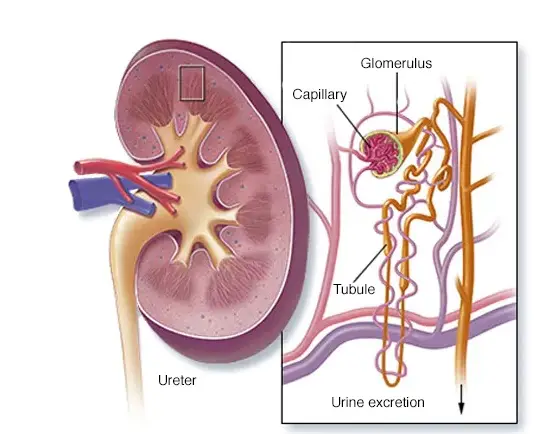
Your kidneys remove waste and excess fluid from your blood through filtering units called nephrons.
Each nephron contains a filter (glomerulus) that has a network of small blood vessels called capillaries.
When blood flows into the glomerulus, small molecules—water, essential minerals and nutrients, and waste products—pass through the capillary walls.
Large molecules, such as proteins and red blood cells, do not.
The filtered solution then passes into another part of the nephron called the tubule. The water, nutrients, and minerals your body needs are transferred back into the bloodstream. Excess water and waste products are converted into urine, which flows to the bladder.
Acute Kidney Failure - Symptoms
Signs and symptoms of acute renal failure may include:
- Decreased urine output, although sometimes urine output remains normal
- Fluid retention causing swelling of the feet, ankles, or feet
- Shortness of breath
- Fatigue
- Confusion
- Nausea
- Weakness
- Irregular heartbeat
- Chest pain or pressure
- Seizures or coma in severe cases
When to see a doctor if you suspect acute renal failure?
See your doctor immediately or seek emergency medical attention if you have signs or symptoms of acute renal failure.
Causes of Acute Kidney Failure
Acute renal failure can occur when:
- You have a condition that slows blood flow to your kidneys
- You experience direct damage to your kidneys
- The tubes that drain urine (ureters) from your kidneys become blocked and waste products cannot leave your body through your urine
Impaired Blood Flow to the Kidneys
Diseases and conditions that can slow blood flow to the kidneys and lead to kidney damage include:
- Blood or fluid loss
- Blood pressure medications
- Heart attack
- Heart disease
- Infection
- Liver failure
- Severe allergic reaction (anaphylaxis)
- Severe burns
- Severe dehydration
Kidney damage
These diseases, conditions, and agents can damage the kidneys and lead to acute renal failure:
- Blood clots in the veins and arteries in and around the kidneys
- Cholesterol deposits that block blood flow in the kidneys
- Glomerulonephritis, inflammation of the small filters in the kidneys (glomeruli)
- Hemolytic uremic syndrome, a condition resulting from premature destruction of red blood cells
- Infection, such as with the virus that causes coronavirus
- Lupus, an immune system disorder that causes glomerulonephritis
- Medications, such as certain chemotherapy drugs, antibiotics, and dyes used during imaging tests
- Scleroderma, a group of rare diseases affecting the skin and connective tissue
- Thrombotic thrombocytopenic purpura, a rare blood disorder
- Toxins, such as alcohol, heavy metals, and cocaine
- Muscle tissue breakdown (rhabdomyolysis), leading to kidney damage caused by toxins from the breakdown of muscle tissue
- Breakdown of tumor cells (tumor lysis syndrome), leading to the release of toxins that can cause kidney damage
Blockage of Urine in the Kidneys
Diseases and conditions that block the passage of urine out of the body (urinary obstruction) and can lead to acute kidney injury include:
- Bladder cancer
- Blood clots in the urinary tract
- Cervical cancer
- Colon cancer
- Enlarged prostate
- Kidney stones
- Nerve damage, including nerves that control the bladder
- Prostate cancer
Risk Factors for Acute Kidney Failure
Acute renal failure almost always occurs in connection with another medical condition or event. Conditions that can increase the risk of acute renal failure include:
- Hospitalization, especially for a serious condition requiring intensive care
- Advanced age
- Blockages in the blood vessels in the arms or legs (peripheral artery disease)
- Diabetes
- High blood pressure
- Heart failure
- Kidney disease
- Liver disease
- Certain types of cancer and their treatment
Complications of acute renal failure
Potential complications of acute renal failure include:
- Fluid buildup. Acute renal failure can lead to fluid buildup in the lungs, which can cause shortness of breath.
- Chest pain. If the lining covering your heart (pericardium) becomes inflamed, you may experience chest pain.
- Muscle weakness. When the fluids and electrolytes in your body are out of balance, muscle weakness can occur.
- Permanent kidney damage. Sometimes acute renal failure causes permanent loss of kidney function or end-stage renal disease. People with end-stage renal disease need either ongoing dialysis—a mechanical filtration process used to remove toxins and waste from the body—or a kidney transplant to survive.
- Death. Acute kidney failure can lead to loss of kidney function and ultimately death.
Prevention of Acute Kidney Failure
Acute renal failure is often difficult to predict or prevent. But you can reduce your risk by taking care of your kidneys. Try to:
- Work with your doctor to manage kidney and other chronic diseases. If you have kidney disease or another condition that increases your risk of acute renal failure, such as diabetes or high blood pressure, follow your treatment goals and your doctor's recommendations to manage your condition.
- Make healthy living a priority. Be active; drink alcohol only in moderation—if at all.
