

- Published
- Updated
-
 13367
13367
Floods and vulnerable groups: How to protect and support them
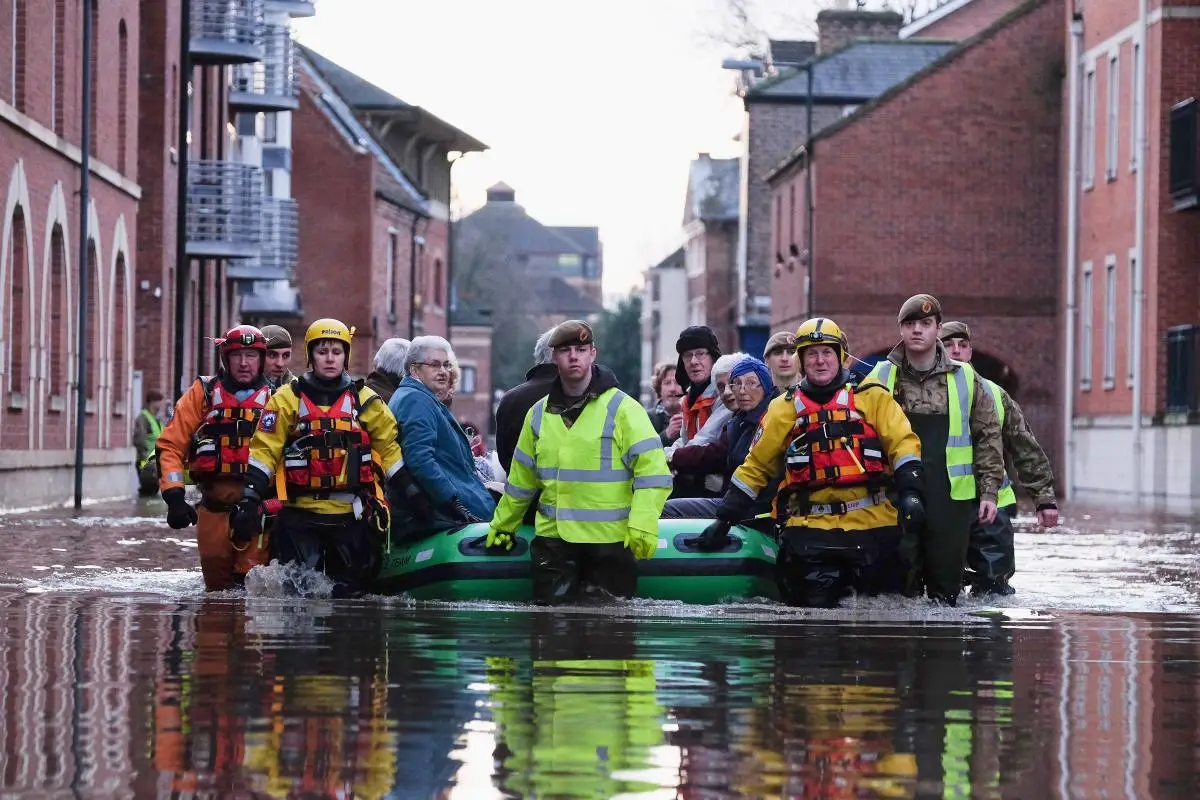
Did you know that floods are the most common natural disaster, accounting for 40% of all natural disasters that occur on Earth. Floods can be caused by intense rainfall and snowmelt, dam bursts, typhoons, wind waves and tsunamis. Many are extremely destructive. The material damage they can cause is enormous. But nothing is worth more than human life and, unfortunately, it is rare for such a natural disaster to pass without casualties.
Types of damage caused by floods
Floods cause direct and indirect damage. Direct damages include death and injury to people, damage and destruction of residential and industrial buildings and roads, power and communication lines, loss of livestock and crops, etc.
Floods are in most cases predictable, which allows to prevent mass casualties, reduce damage, and take measures to protect the population and territories taken in advance in daily activities.
Who are the vulnerable groups in a flood
The most vulnerable groups living in the affected area, in particular:
- People living along river banks and in low lying areas;
- People living in houses with low or no basements;
- People who cannot evacuate to safety in the event of a flood;
- Poor people who live in ruined or insufficiently strong houses and are unable to protect themselves and their homes;
- The elderly and children who may have difficulty moving;
- People with disabilities who cannot navigate difficult situations and ensure their own safety.
The list of those affected by flooding also includes farmers and livestock farmers, businesses and enterprises located in the disaster area, etc.
How to help flood victims
To be honest, a great deal of work needs to be done at state or local level in this direction. Not only by drawing up a disaster crisis plan, but also by taking measures to at least minimise the possible damage to some extent. After all, we cannot fight against nature and we are powerless before its might. However, if some of the following measures are taken, it may be possible to significantly reduce the possible damage in the event of a flood and to react adequately to resolve the consequences more quickly:
- Establish an early warning system for floods and alert the population;
- Improvement of existing drainage systems in the affected area;
- Implementation of a program to clean and enlarge water reservoirs;
- Take measures to protect buildings and infrastructure from flooding;
- Organize volunteer and donation campaigns to provide food, water, clothing, medicine and other necessary materials to the victims;
- Monitoring floods and evaluating the effectiveness of measures taken;
- Organizing effective work of civil protection services, police, fire and medical services during floods;
- Organising charity campaigns to raise funds to help people affected by flooding.
Humanitarian aid
When a flood occurs, many organizations launch charity campaigns to collect material resources for the victims, in the form of food, water, clothes, shoes, blankets, medicines, etc. For people whose homes have been destroyed by the flood or pose a threat to residents, aid is collected to provide temporary shelter, where they need tents, heaters, sleeping bags, thermoses, portable chargers, hygiene products, and more. If you too decide to join such an initiative or have another idea for donations, you can contact local organizations.
Medical aid
In a flood, many people in the affected area may also need medical services. Often floods affect underdeveloped and small settlements where there is a shortage of doctors and medics to say the least. So, if you are a medical person you can always join the volunteer groups that go to the field and help the disaster victims. Your help will certainly not be superfluous.
Another way to help the flood victims is to bear the cost of medical services that they may need, getting medicines, medical equipment, etc.
Fundraising
Organising donation campaigns and fundraising is another way to help flood victims. What you can do is to contact local organisations and find out how you can help the flood victims and take part or organise a charity campaign in your town. You can also share your initiative on social media or with different organisations that are involved in charity work. The funds raised will be transferred to the relevant emergency management agency.
Pavel Andreev Foundation
We, at the Pavel Andreev Foundation, stand behind every project to provide aid to flood victims. Pavel Andreev is the man who, through the PavelAndreev.ORG platform , enables anyone willing to get effectively involved in helping those in distress. As a donor or organizer of a charity campaign, he can use the possibilities of the online platform of the Foundation completely free of charge. Hundreds of successful charity fundraising campaigns have been conducted through it.
Part of the Pavel Andreev Foundation' s initiative is to help people affected by floods. On our website you can share your initiative by providing the necessary information about the disaster, the extent of the damage and the need to provide assistance.
The platform is highly functional and as easy to use as possible. You can create your fundraising crowdfunding campaign in just minutes. No special skills or anything more than basic computer literacy are required. The PavelAndreev.ORG donation site enables tracking of all funds received and 100% transparency and accountability for donors.
If you would like to help those who have been affected by flooding, you can show your commitment by participating in one of the fundraising campaigns for charity. We at the Pavel Andreev Foundation guarantee that it will be given to those who really need it.
